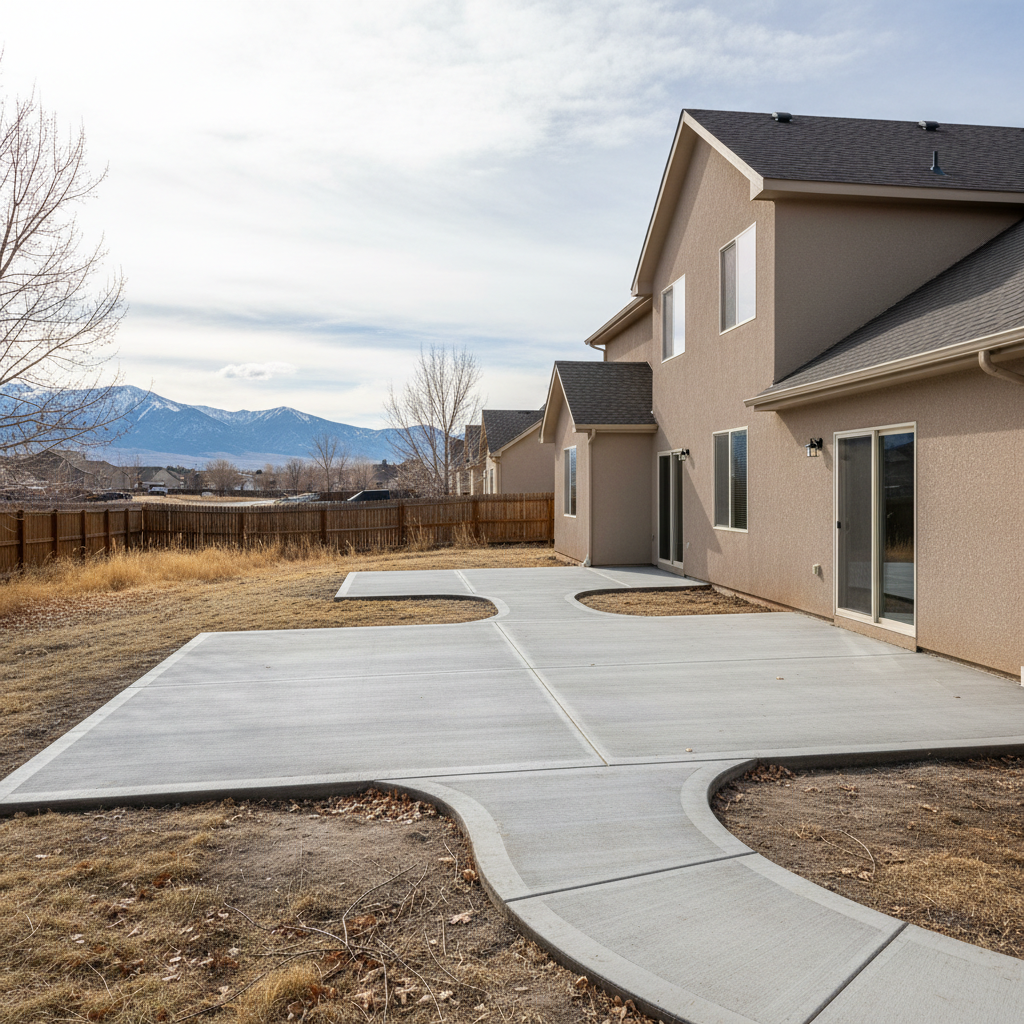
You've seen it, right? One day it's 90 degrees and sunny, the next it's snowing in April, or we get a crazy freeze-thaw cycle in February. That's West Valley City for you, and it's a big deal when you're talking about concrete flatwork around your home.
A lot of folks just think concrete is concrete, but how and when it's poured, and how you treat it afterward, makes all the difference, especially with our unique climate here in the Salt Lake Valley. I've been doing this for years with Kingdom Concrete, and I've seen what works and what doesn't.
Timing Your Concrete Project: It's All About the Temps
When's the best time to pour new concrete? Most people think summer, and yeah, that's often good, but it's not the only answer. The ideal temperature for pouring and curing concrete is usually between 50 and 80 degrees Fahrenheit. Why? Because extreme heat or cold can mess with the curing process.
If it's too hot, like those scorching July and August days we get, the water in the mix evaporates too fast. That can lead to shrinkage cracks and a weaker slab. We can still pour in the heat, but it requires special precautions like adding retarders to the mix, curing compounds, and keeping the slab wet. It's more work, and sometimes it's just better to wait.
Too cold, and the concrete cures too slowly, or worse, the water in the mix can freeze before it gains enough strength. That's a recipe for disaster, causing spalling and cracking. That's why you won't see us pouring much new flatwork in December or January, unless it's a very specific, protected indoor job.
So, what's ideal? Spring (late April to early June) and Fall (September to late October) are often perfect. The temperatures are usually mild, and there's less risk of extreme heat or sudden freezes. Plus, the ground isn't frozen solid yet, which is a common issue in areas like the Decker Lake neighborhood where the soil can hold moisture and freeze deep.
Weather Conditions That Matter
Beyond just temperature, other weather factors play a big role:
- Rain: A light drizzle during a pour isn't the end of the world, but heavy rain can wash out the cement paste, weaken the surface, and cause a poor finish. We always keep an eye on the forecast and won't start a job if heavy rain is expected.
- Wind: High winds can dry out the surface of fresh concrete too quickly, especially on hot days. This rapid drying can lead to plastic shrinkage cracks. We might use windbreaks or apply curing compounds sooner if it's windy.
- Humidity: Low humidity, especially when combined with wind and heat, speeds up evaporation and can cause issues. High humidity slows drying, which isn't always bad, but it can extend the time before you can use the surface.
We're constantly checking the forecast and making judgment calls. It's not just about getting the job done; it's about getting it done right so it lasts.
Protecting Your Concrete Investment Year-Round
Once your concrete is in, you've got to protect it. Our West Valley City winters, with their freeze-thaw cycles and de-icing salts, are brutal on concrete.
- Seal It: This is probably the most important thing you can do. A good quality penetrating sealer applied every 2-3 years will repel water and de-icing chemicals. This stops water from getting into the pores of the concrete, freezing, expanding, and breaking it apart.
- Avoid De-Icing Salts: I know, it's tough when you've got ice. But rock salt (sodium chloride) and other chloride-based de-icers are terrible for concrete. They accelerate the freeze-thaw damage and can cause spalling. If you have to use something, look for products that are concrete-safe, often containing calcium magnesium acetate (CMA). Sand is always a good, non-damaging option for traction.
- Proper Drainage: Make sure water drains away from your concrete slabs, not towards them. Standing water that freezes and thaws repeatedly will shorten the life of any concrete.
- Clean Spills: Oil, grease, and other chemicals can stain and degrade concrete over time. Clean them up quickly.
Taking these steps will help your driveways, patios, and walkways stand up to our crazy Utah weather for years to come. It's an investment, and like any investment, it needs a little care to pay off.