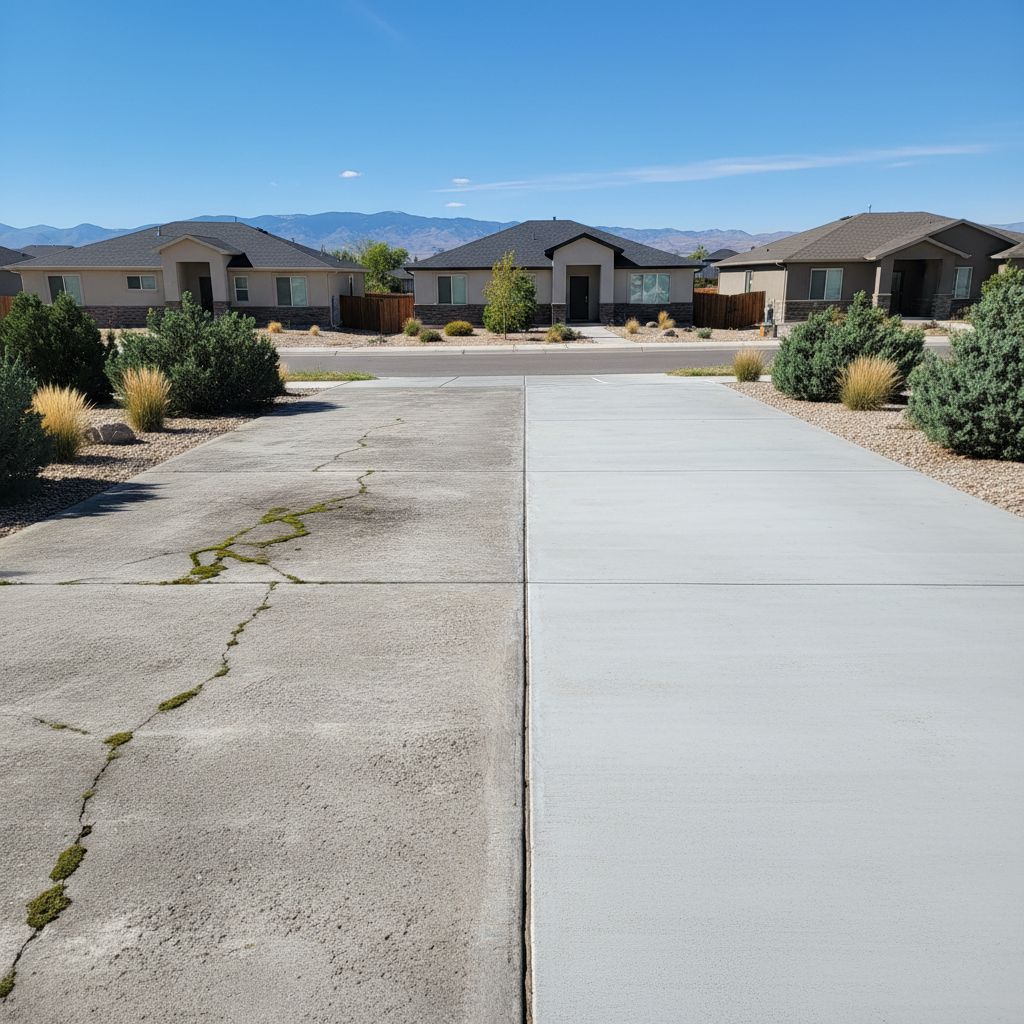
So, you're thinking about sprucing up your outdoor space here in West Valley City, right? Maybe a new patio, a walkway, or even a driveway. That means you've got a pretty big decision ahead: should you go with traditional poured concrete, or are pavers a better fit for what you have in mind? Honestly, it's a question I get asked all the time, and there isn't one single "right" answer for everyone. It really just comes down to what you're looking for, your budget, and how much hassle you want to deal with later on. Let's dig in and compare them.
Cost: What You Pay Now vs. What You Pay Later
When most folks think about cost, they're usually focused on that initial price tag. And right off the bat, poured concrete typically wins that round. It's generally cheaper to install a basic concrete slab than it is to lay down pavers. Why? Well, the labor for pouring and finishing concrete, while skilled work, is often less intensive than the detailed effort needed for placing individual pavers, especially once you factor in all the base prep.
But hold on, that's just the initial cost. You need to think long-term. If a poured concrete slab cracks — and let's be real, with our freeze-thaw cycles here in Utah, particularly in areas with expansive clay soils like we see around Redwood Road, cracks are a real possibility — fixing it can be a whole ordeal. You might end up patching it, which often doesn't blend perfectly, or even tearing out and re-pouring entire sections. Pavers, on the other hand, are individual units. If one gets damaged, you can usually just lift it out and pop a new one in. That can save you a ton of headache and money down the line, wouldn't you agree?
Durability: Built to Last, But How Exactly?
Both poured concrete and pavers are tough stuff. They're designed to handle foot traffic, vehicles, and our sometimes-crazy weather. But they handle stress in different ways.
- Poured Concrete: A concrete slab that's been installed correctly — meaning proper rebar or wire mesh, good expansion joints, and a solid base — is incredibly durable. It's one big, continuous surface. The trick, of course, is that "installed correctly" part. If the sub-grade isn't prepared right, or if the concrete mix isn't quite what it should be, you could run into issues like cracking, heaving, or settling. When it fails, it usually fails in a pretty obvious way across a larger area.
- Pavers: Pavers are flexible. Because they're separate units set in sand and held in place by an edge restraint, they can shift and move a little with ground movement without cracking. This flexibility is a huge plus, especially in our climate where the soil can expand and contract. They also spread weight really well, which is why you see them used in heavy-duty spots.
Maintenance: Keeping It Looking Good
Nobody wants a high-maintenance yard, right? Here's what you're signing up for with each option:
- Poured Concrete: It's pretty low maintenance, generally speaking. You'll want to clean it periodically, maybe power wash it to get rid of dirt and grime. Sealing it every few years is a good idea to protect it from stains and make it last longer, especially if it's exposed to de-icing salts in the winter. The biggest maintenance headache comes if cracks show up. Weeds can sometimes grow through cracks, but it's not as common as with pavers.
- Pavers: Pavers need a bit more attention, mainly because of those joints between them. Weeds absolutely love to sprout in those sandy gaps, so you'll need to pull them or use a weed killer. You also need to keep an eye on the joint sand. Over time, it can wash out, especially after heavy rain or with power washing. Re-sanding with polymeric sand (which hardens) is a common maintenance job that helps stop weeds and keeps the pavers locked in place. If a paver settles unevenly, you can usually just lift it, re-level the base, and put it back.
Appearance: Style and Versatility
This is where your personal taste really comes into play. Both options offer a lot of ways to make things look good.
- Poured Concrete: You might just picture plain gray concrete, but that's really just the beginning. You can get stamped concrete that looks like stone, brick, or even wood. You can add color right into the mix, or stain the surface after it's cured. It gives you a very clean, continuous look. For modern homes, a smooth, broom-finished concrete slab can look absolutely fantastic.
- Pavers: Pavers offer an incredible range of colors, shapes, textures, and patterns. You can create intricate designs, borders, and truly customize your space. They tend to give off a more traditional, European, or natural stone vibe, depending on the paver style you pick. The segmented nature of pavers can really add a lot of visual interest and character.
My Recommendation for West Valley City Homeowners
Alright, so what's the final word for us here in West Valley City? Considering our climate, with its hot summers, cold winters, and those annoying freeze-thaw cycles that can really put concrete to the test, I often lean towards pavers for areas like patios and walkways where both aesthetics and long-term flexibility are super important.
Why? That ability pavers have to flex and move with the ground is a huge benefit. It means less chance of major cracking and easier, more affordable repairs if something does go wrong. Plus, the sheer variety of styles means you can truly make your outdoor space unique and beautiful. You'll have a bit more maintenance with the weeds and sand, sure, but the trade-off in durability and how easy they are to fix is often well worth it.
For driveways, it's a tougher call. Poured concrete can be a very cost-effective and durable solution if it's done right, especially with proper reinforcement and expansion joints. But even there, pavers are becoming more and more popular for their resilience and curb appeal.
At Kingdom Concrete, we do both, and we do them well. We're always happy to chat through your specific project, take a look at your property, and help you figure out what makes the most sense for your home and your budget. Don't just settle for what's easiest; let's get you something that'll look great and last for years.